
01
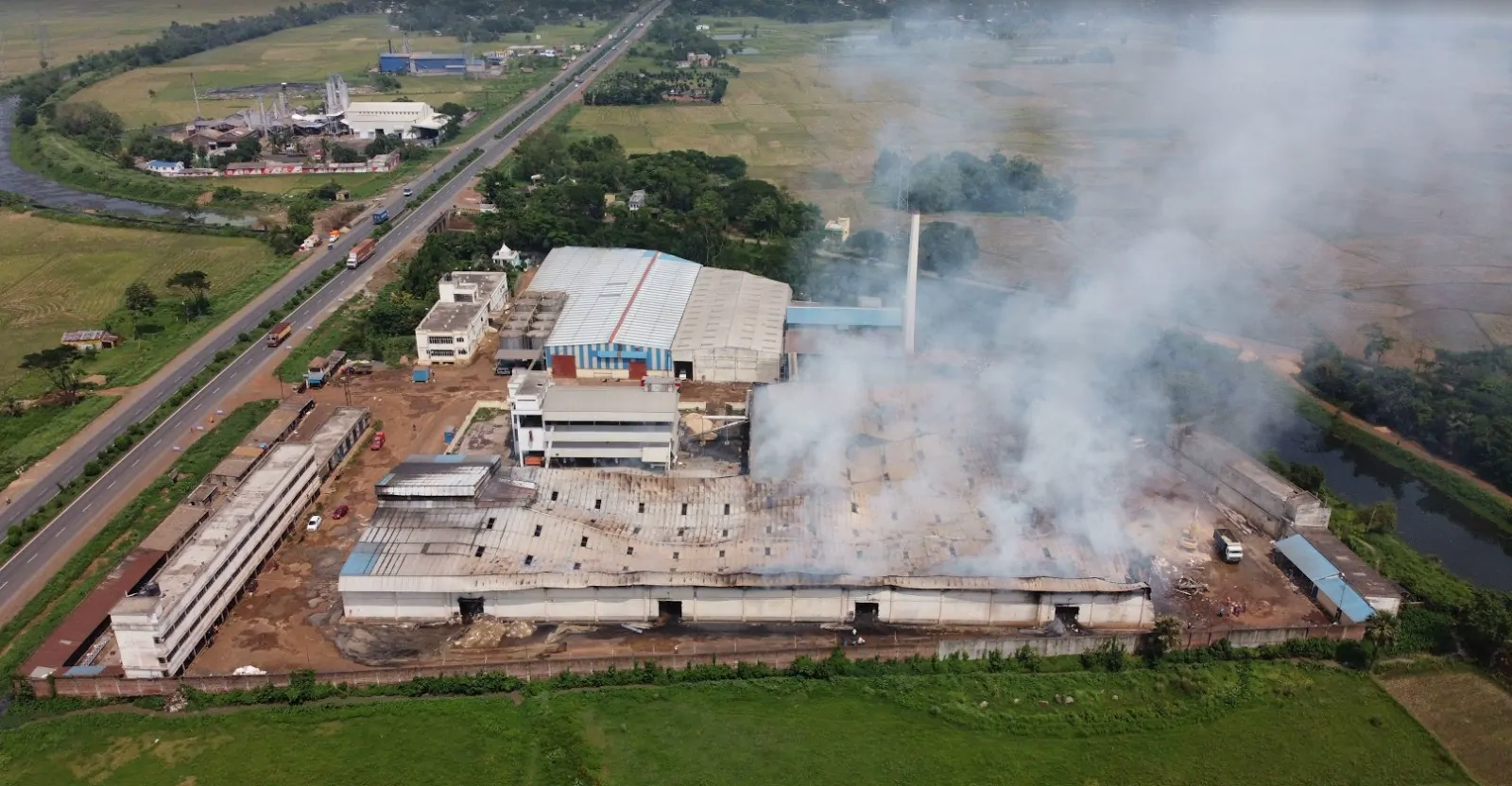
Industrial & process fires
Plants, warehouses, process lines and FGD systems. Ignition traced through equipment, electrical and hot-work sources.
Independent fire investigation · NFPA 921
Zuber & Co. establishes where a fire started, how it spread and why — for industry, insurers and the courts.
01 — The work
By the time a claim is filed, the scene has been hosed down, cleared, and rebuilt in a dozen different accounts. We arrive early, document what is still standing, and read it back from first principles.
Every report is built to survive cross-examination: measured, photographed and tested against NFPA 921 — then stated in language a court can follow.
How we establish a cause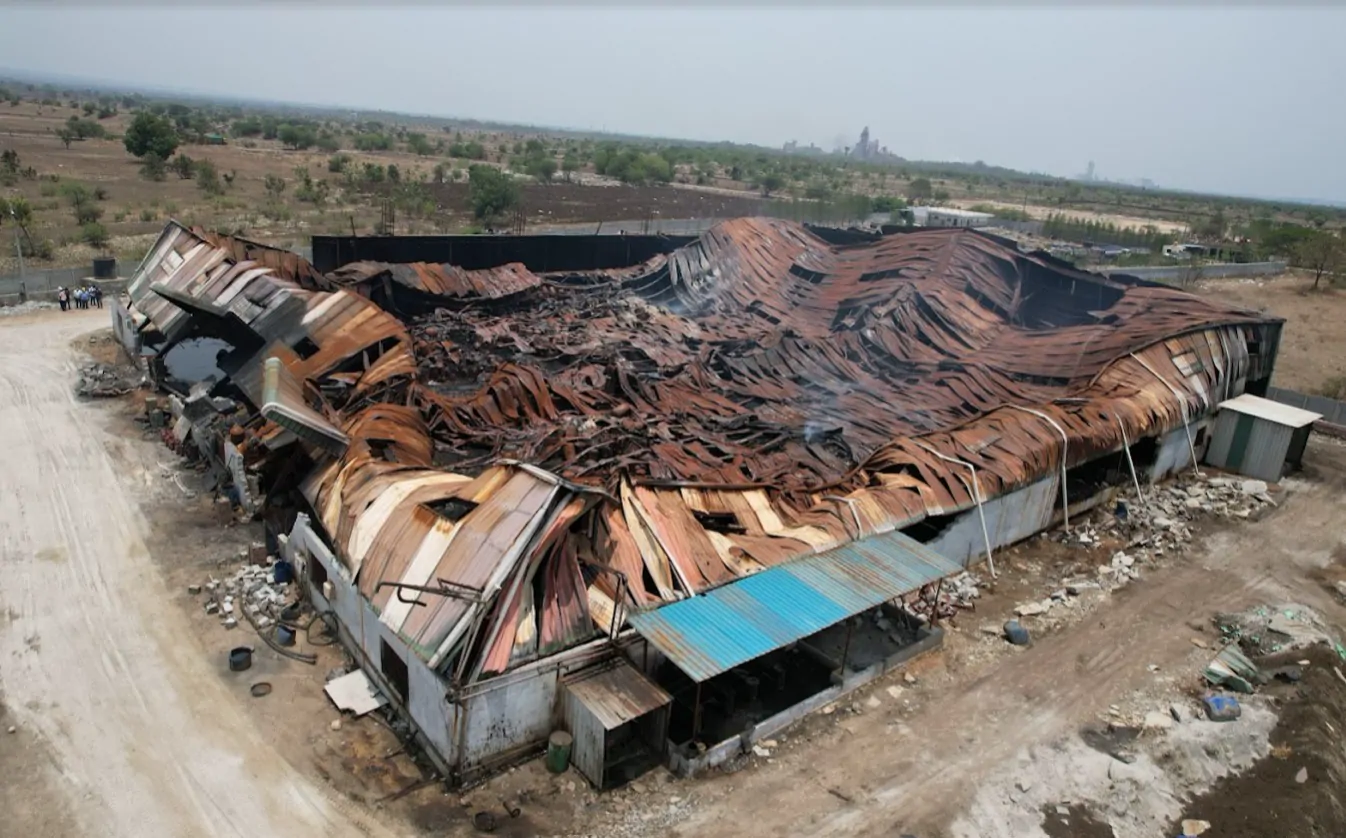
A defensible point of origin and a cause that holds — not a guess dressed as a conclusion.
Which component failed, in what sequence, and what the damage pattern proves about it.
Independent findings for insurers, surveyors and counsel — with the evidence trail behind them.
02 — Scope
From a single vehicle to a multi-crore plant loss, the question is the same: where did it start, and what proves it.
Scope a case with us
Plants, warehouses, process lines and FGD systems. Ignition traced through equipment, electrical and hot-work sources.
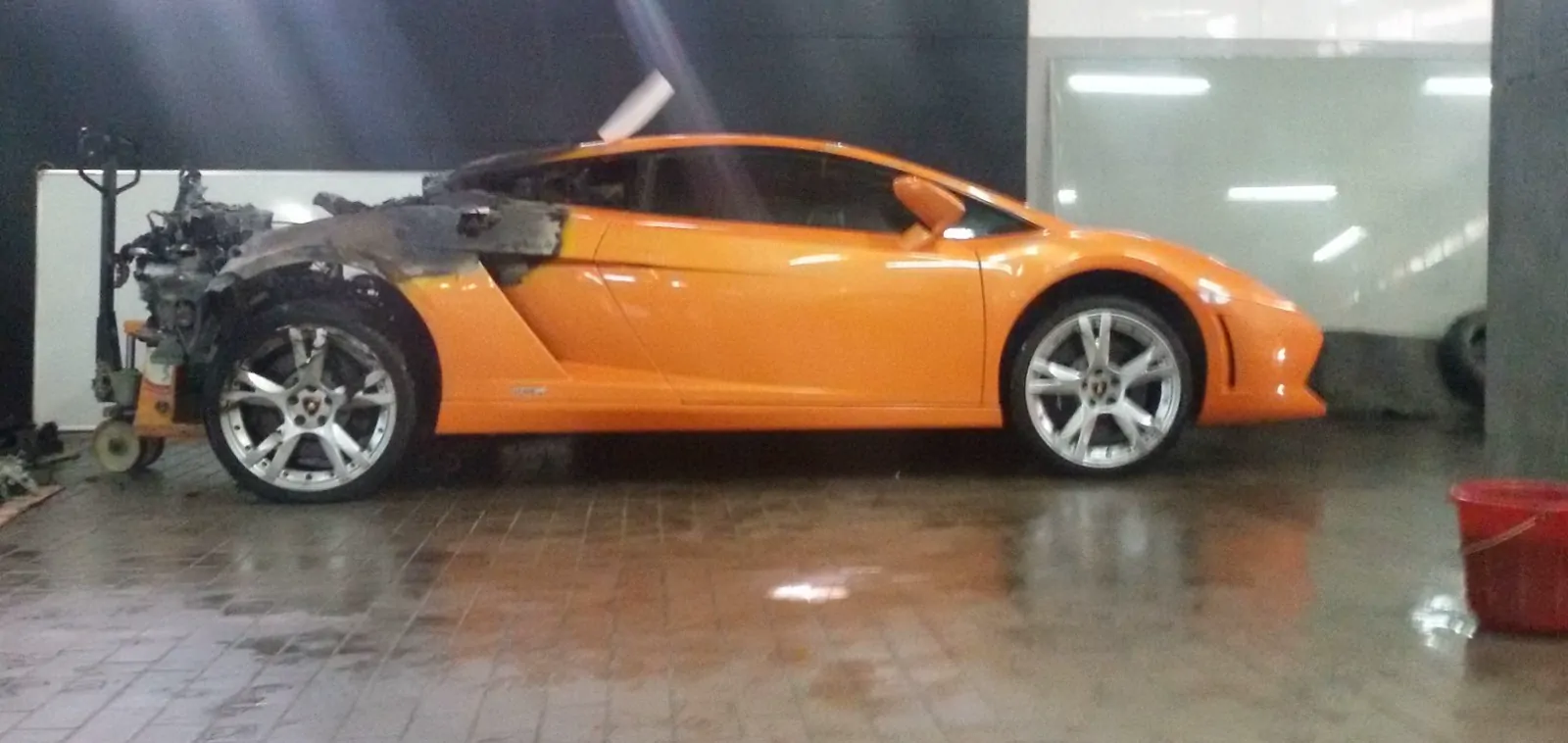
Cars, fleets and high-value vehicles. Origin, burn pattern and component-level failure analysis.
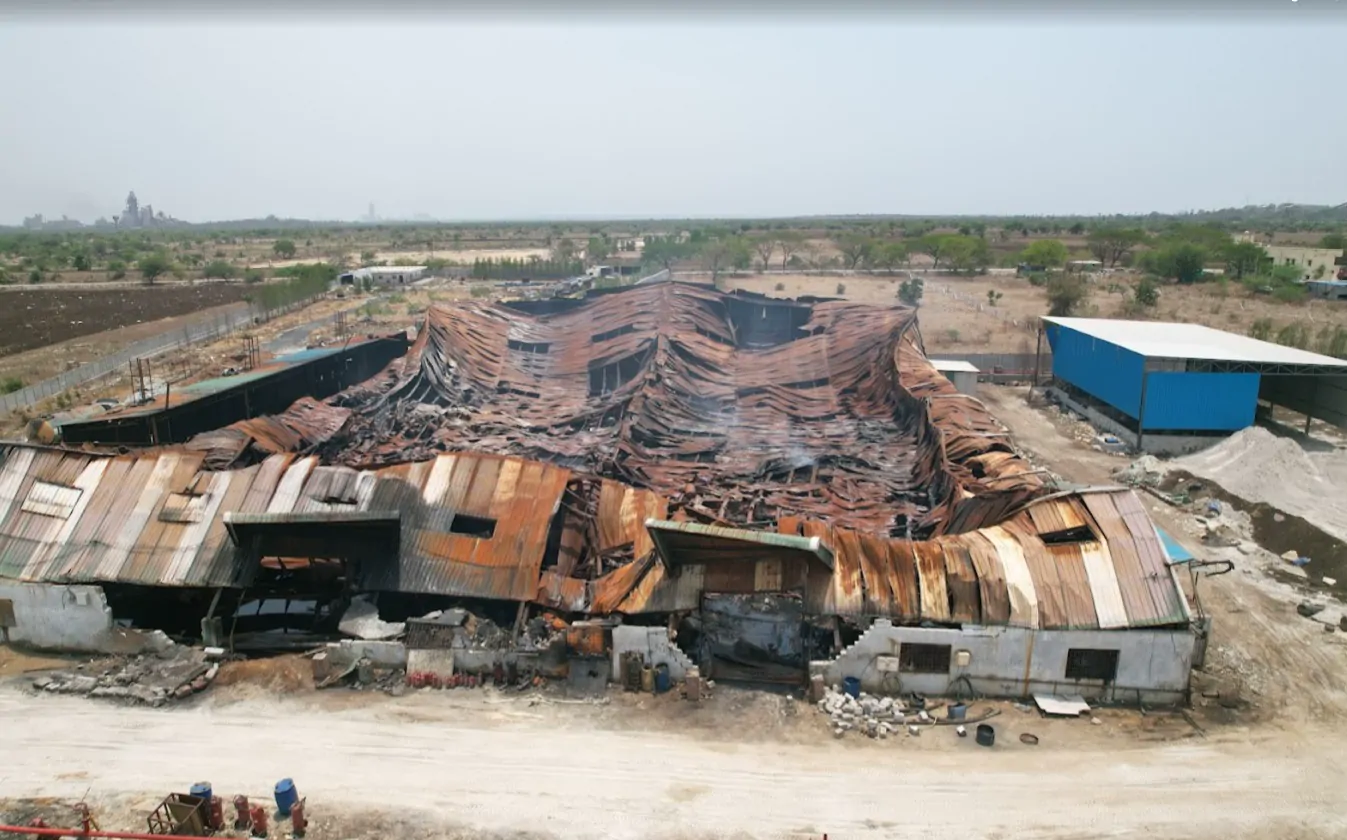
A measured scene examination that fixes where the fire began and what started it.
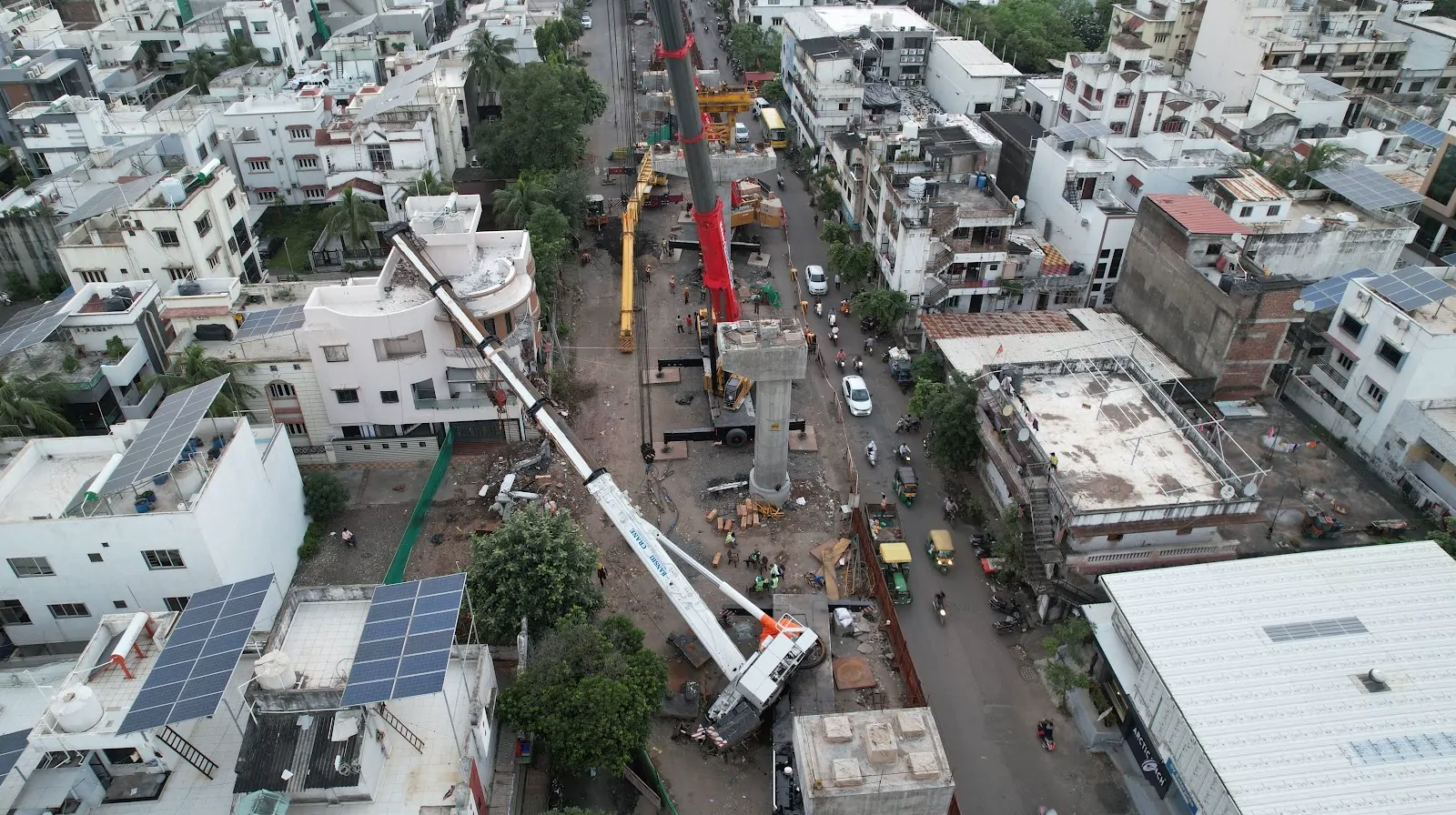
Burn-pattern analysis across terrain, vegetation and the wildland–industrial interface.
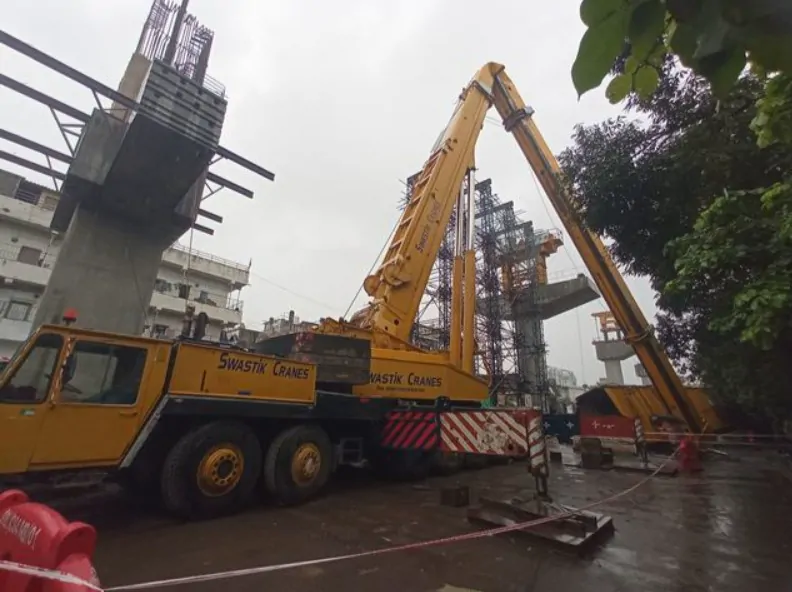
Independent findings for insurers, surveyors and loss adjusters — and the evidence that supports them.
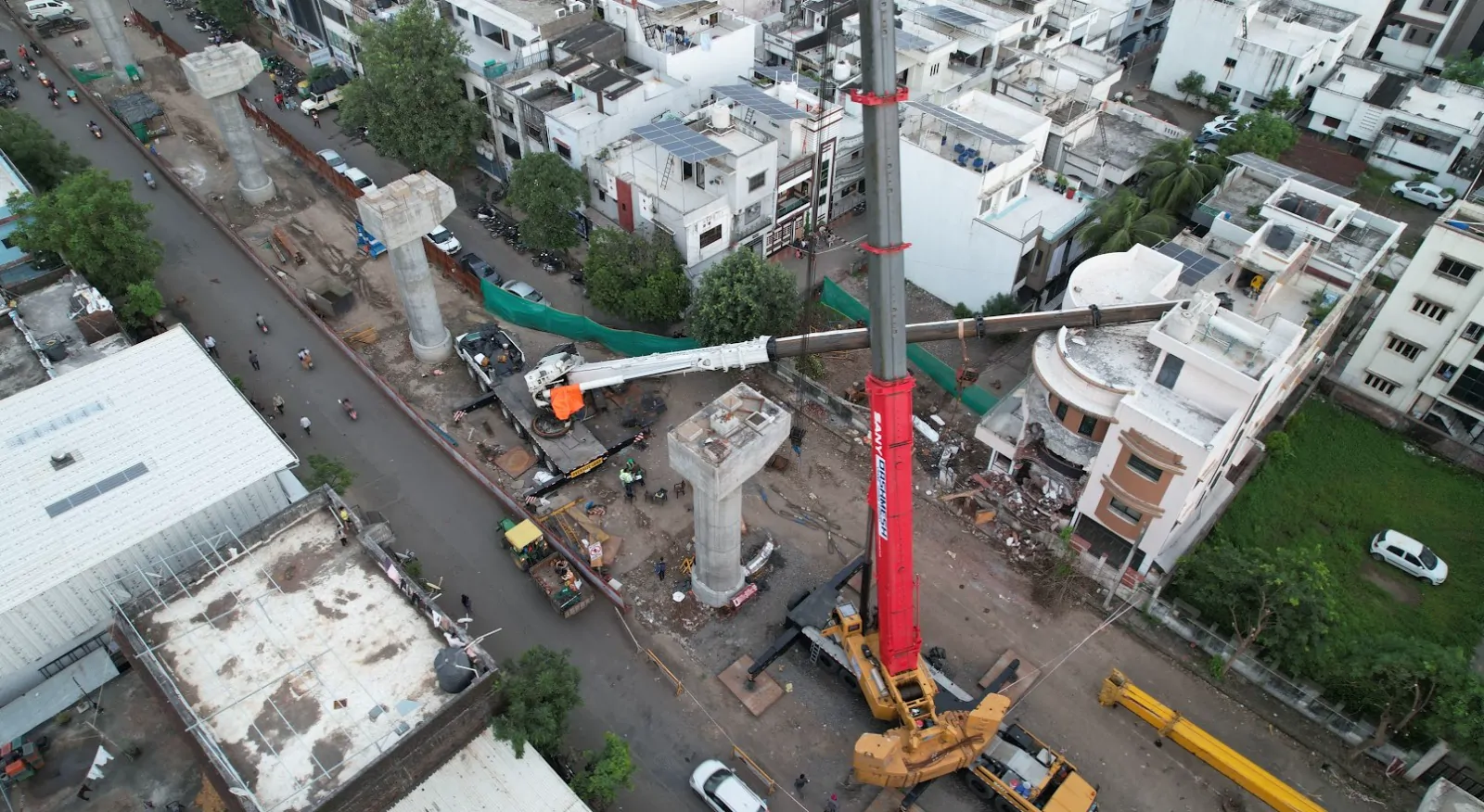
Court-ready reports, depositions and expert evidence in consumer commissions and civil courts.
03 — Method
Fire investigation is a science before it is an opinion. We follow the NFPA 921 scientific method — seven steps, in order, every time.
NFPA 921 · Scientific method
A cause is only as strong as the process behind it. Each stage is documented, and every hypothesis is tested against the physical evidence before it reaches a report.
A loss has occurred and a decision depends on its cause: a claim, a dispute, a safety change. We define what must be answered before anyone touches the scene.
The question is framed precisely — origin, cause, spread or component failure — so the examination has a measurable target.
Scene documentation, photography, witness accounts, maintenance and electrical records, fire service reports and physical samples.
Burn patterns, arc mapping, damage gradients and material behaviour are read together — never in isolation.
A probable explanation is formed from the evidence on the ground — never from the outcome a client would prefer.
Every hypothesis is tested against the physical evidence. Explanations that fail the test are discarded, whatever they cost.
The conclusion that survives scrutiny is reported with its basis, its limits and the evidence that supports it.
Every conclusion is tested against NFPA 921 — the recognised standard for fire and explosion investigations.
04 — Field record
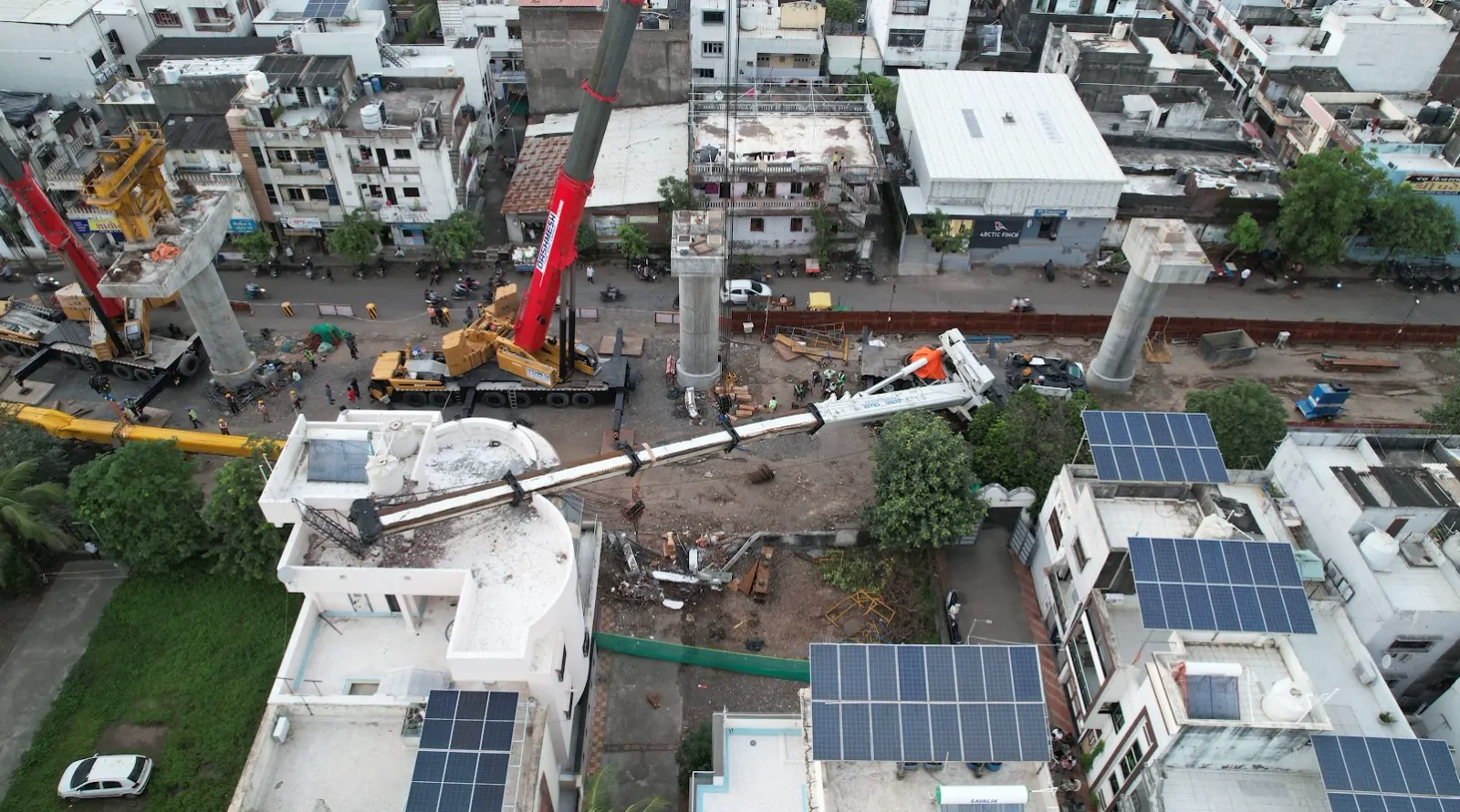
Selected documentation from fire scenes we have examined — aerial survey, structural damage, fuel load and component failure.
05 — Why Zuber & Co.
A fire report is read by people who did not see the scene and who have every reason to disagree with it. It has to stand on its own.
No retainer from insurers, manufacturers or contractors. The report follows the evidence, not the outcome.
Every finding is tested against the recognised scientific method for fire and explosion investigation.
Reports written to be read aloud, cross-examined and defended — not simply filed.
Scene deployments across India, with case material explained in English and regional languages.
06 — Fire decoded
Judgements, claim disputes and fire science — explained from real investigations on our YouTube channel. The latest uploads appear here automatically.
Visit the channelThe channel feed could not be reached right now.
07 — Next step
Tell us what burned, when, and what is at stake. We will tell you what can still be established — and how quickly we can be on site.
For an active scene, call directly. Early documentation protects the evidence.